
Medically Reviewed by the Physicians at West Texas ENT
Board-Certified Otolaryngologists
Snoring is often treated as a harmless annoyance. Many people assume it is simply part of getting older, gaining weight, or sleeping in an awkward position. But persistent snoring and poor sleep quality can be warning signs of something more serious.
Obstructive sleep apnea occurs when the airway becomes partially or completely blocked during sleep. These blockages interrupt normal breathing and can happen dozens of times per hour without the person ever realizing it. Each interruption briefly wakes the brain to restore breathing, which prevents the body from reaching the deep, restorative sleep it needs.
Over time, untreated sleep apnea can affect much more than sleep quality. It may contribute to fatigue, headaches, concentration problems, and increased health risks.
Knowing what to look for is the first step. Here are five signs that suggest it may be time to see a sleep apnea specialist.
Loud, Persistent Snoring
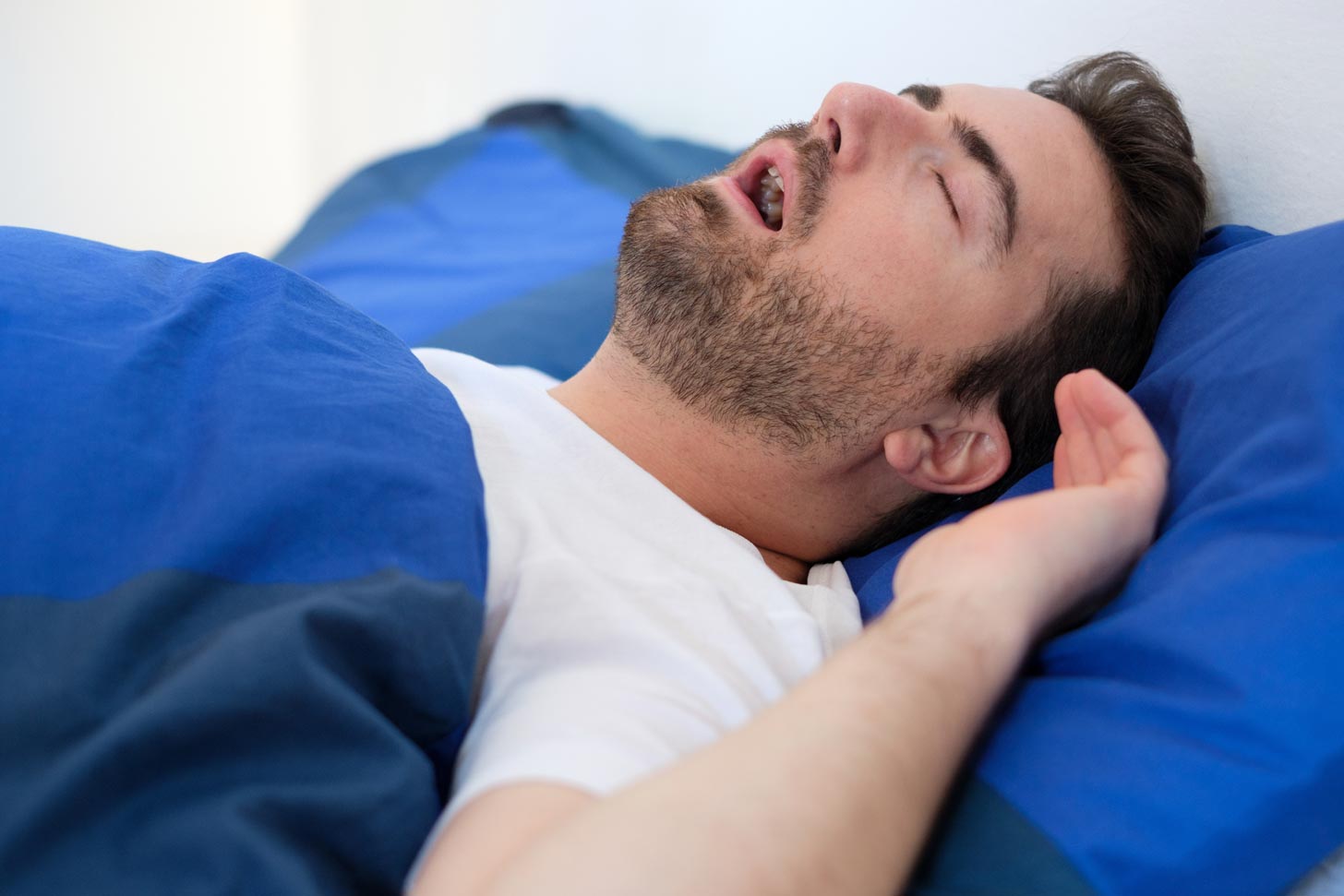
Snoring is the most widely recognized symptom of sleep apnea. Not everyone who snores has the condition, but loud snoring that happens night after night, especially when it is accompanied by gasping or choking sounds, is worth taking seriously.
Snoring happens when air struggles to pass through a narrowed airway during sleep. As the soft tissues in the throat vibrate, they produce that familiar sound.
When snoring is connected to sleep apnea, it tends to have specific characteristics:
- It is loud enough to be heard from another room
- It happens almost every night, not just occasionally
- It is accompanied by gasping, choking, or snorting sounds
- A partner or family member notices irregular breathing patterns
Many people are unaware of how they sound during sleep. A spouse or family member is often the first to notice something is wrong. If someone close to you has raised concerns about your snoring or breathing, that observation matters and is worth discussing with a specialist.
Excessive Daytime Fatigue
Spending eight hours in bed does not always mean getting eight hours of rest.
Sleep apnea repeatedly interrupts the natural sleep cycle. Even when a person believes they slept through the night, the brain may never have reached the deeper stages of sleep required for true recovery. The result is persistent daytime fatigue that does not improve no matter how many hours are spent in bed.
Common signs of sleep-related fatigue include:
- Feeling exhausted after a full night of sleep
- Struggling to stay awake during meetings, conversations, or while driving
- Falling asleep easily while watching television or reading
- Difficulty concentrating or completing tasks that require focus
- Frequent memory lapses or a persistent feeling of mental fog
It is easy to attribute these symptoms to stress, a busy schedule, or just getting older. But when fatigue is chronic and sleep does not seem to help, a sleep breathing disorder may be the underlying cause.
Morning Headaches and Dry Mouth
Some of the most telling symptoms of sleep apnea appear right when you wake up.
Morning headaches are a common complaint among people with untreated sleep apnea. They are usually described as dull, pressure-like, and located across the forehead. They often fade within an hour or two of waking, which can make them easy to dismiss.
These headaches occur because repeated breathing interruptions affect oxygen and carbon dioxide levels during sleep. When oxygen drops and carbon dioxide rises, blood vessels in the brain can expand, producing that familiar morning pressure.
Waking up with a dry mouth or sore throat is another telling sign. People with obstructive sleep apnea frequently breathe through their mouths during the night because of airway obstruction. Mouth breathing dries out the throat and oral tissues, leaving discomfort that is most noticeable first thing in the morning.
When these symptoms appear regularly, especially alongside snoring or daytime fatigue, they are worth bringing up with a specialist rather than treating as an isolated inconvenience.
Witnessed Pauses in Breathing During Sleep
This is one of the most significant warning signs of sleep apnea, and it almost always comes from someone other than the person experiencing it.
During a sleep apnea episode, the airway collapses and blocks airflow entirely. The person stops breathing for several seconds, sometimes longer. The brain then triggers a brief arousal to restore breathing, often causing the person to gasp, snort, or shift position, without ever fully waking up or remembering the episode in the morning.
A typical episode observed by a bed partner looks like this:
- Loud snoring is followed by sudden silence
- Breathing stops for several seconds
- The person gasps, snorts, or chokes
- Breathing resumes, often with another loud snore
These episodes can repeat many times throughout the night. Some people experience dozens of interruptions per hour without any awareness of it happening.
If a partner, family member, or anyone who has observed you sleeping has mentioned that your breathing stops and starts during the night, this is one of the clearest indicators that a professional evaluation is needed.
Restless Sleep and Waking Up Unrefreshed
Not all sleep apnea symptoms are dramatic. Some are subtle enough that people live with them for years without connecting them to a sleep disorder.
Restless sleep is one of them. People with sleep apnea often move frequently during the night, wake up to use the bathroom multiple times, or experience a general sense of not being able to get comfortable. They may toss and turn or wake at odd hours without a clear reason.
Equally common is waking up feeling completely unrefreshed, as if sleep provided no recovery at all. This happens because the repeated breathing interruptions throughout the night prevent the body from completing its normal sleep cycles. Even a full night of sleep becomes fragmented and shallow.
If you consistently wake up feeling like you did not sleep, even when you went to bed at a reasonable hour and did not notice waking during the night, that pattern is worth discussing with a specialist.
When to See a Sleep Apnea Specialist
Not every bad night of sleep indicates a sleep disorder. But when symptoms appear regularly, or when multiple signs from the list above apply, professional evaluation is the right next step.
Consider seeing a sleep apnea specialist if you experience:
- Loud snoring that happens most nights
- Daytime fatigue that affects your work or daily activities
- Morning headaches or persistent dry mouth
- Witnessed pauses in your breathing during sleep
- Waking frequently during the night or feeling unrefreshed in the morning
An ENT specialist who treats sleep disorders can evaluate your symptoms and determine whether testing is recommended. Sleep apnea testing typically involves an overnight sleep study that monitors breathing patterns, oxygen levels, and sleep stages. Results help determine whether sleep apnea is present and how it should be treated.
Treatment options vary depending on the individual case and may include lifestyle adjustments, airway therapies, or advanced options designed to keep the airway open during sleep. The goal is to restore normal breathing, improve sleep quality, and protect long-term health.
Frequently Asked Questions About Sleep Apnea
What is obstructive sleep apnea?
Obstructive sleep apnea is a sleep disorder in which the airway becomes partially or completely blocked during sleep. These blockages interrupt normal breathing and prevent the body from completing deep, restorative sleep cycles. It can occur dozens of times per hour without the person being aware of it.
What kind of doctor treats sleep apnea?
Sleep apnea is commonly treated by ENT specialists and sleep medicine physicians who specialize in airway and sleep disorders. An ENT specialist can evaluate symptoms, recommend testing, and guide treatment based on the underlying cause of the airway obstruction.
How is sleep apnea diagnosed?
Diagnosis typically involves a sleep study that monitors breathing patterns, oxygen levels, heart rate, and sleep stages throughout the night. Results help physicians confirm whether sleep apnea is present and determine its severity. Your provider will recommend the appropriate type of study based on your symptoms.
Can sleep apnea go away on its own?
In most cases, sleep apnea requires medical evaluation and treatment. While lifestyle changes such as weight loss or adjusting sleep position may improve symptoms for some people, the underlying airway issue often persists without professional care. Leaving sleep apnea untreated can affect both sleep quality and long-term health.
Why is it important to treat sleep apnea?
Untreated sleep apnea prevents the body from reaching the deep sleep stages needed for recovery. Over time, this can contribute to persistent fatigue, difficulty concentrating, morning headaches, and other health concerns. Proper diagnosis and treatment help restore normal sleep patterns and support better overall well-being.
Conclusion
Sleep apnea often develops gradually. Many people spend years adjusting to poor sleep, dismissing symptoms as stress or aging, without realizing that a treatable condition may be responsible.
The signs are real and they matter. Loud snoring, daytime fatigue, morning headaches, witnessed breathing pauses, and consistently unrefreshed sleep are not things to ignore or push through. They are signals that something in the airway is interfering with normal sleep.
If any of these signs sound familiar, speaking with a sleep apnea specialist is a straightforward next step. An evaluation can identify what is happening and open the door to treatment that genuinely improves how you sleep and how you feel.
Contact West Texas ENT to schedule an evaluation with a specialist who understands sleep-related airway conditions.
This article is for informational and educational purposes only and does not constitute medical advice, diagnosis, or treatment. Always consult with your healthcare provider about your specific symptoms and health concerns. West Texas ENT provides comprehensive ear, nose, and throat care with locations in Abilene and Brownwood.